How to Improve and Prevent Stooping in Seniors
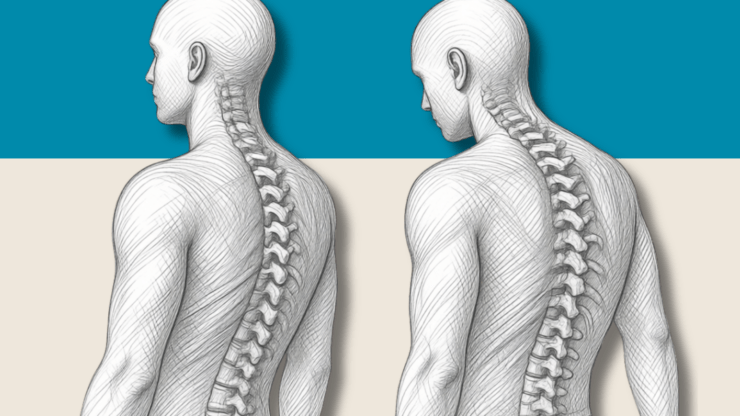
As we get older, the discs in our spines often wear down and become compressed. This natural change can affect the way we stand and move, and it may lead to visible changes in posture. In addition to age-related changes in the spine, several factors can contribute to stooping or poor posture in seniors. These include:
- Muscle weakness, particularly in the core and upper back
- Reduced flexibility in the joints
- Conditions such as osteoporosis, arthritis, or Parkinson’s disease
- Sedentary lifestyles or extended periods of sitting
What is good posture?
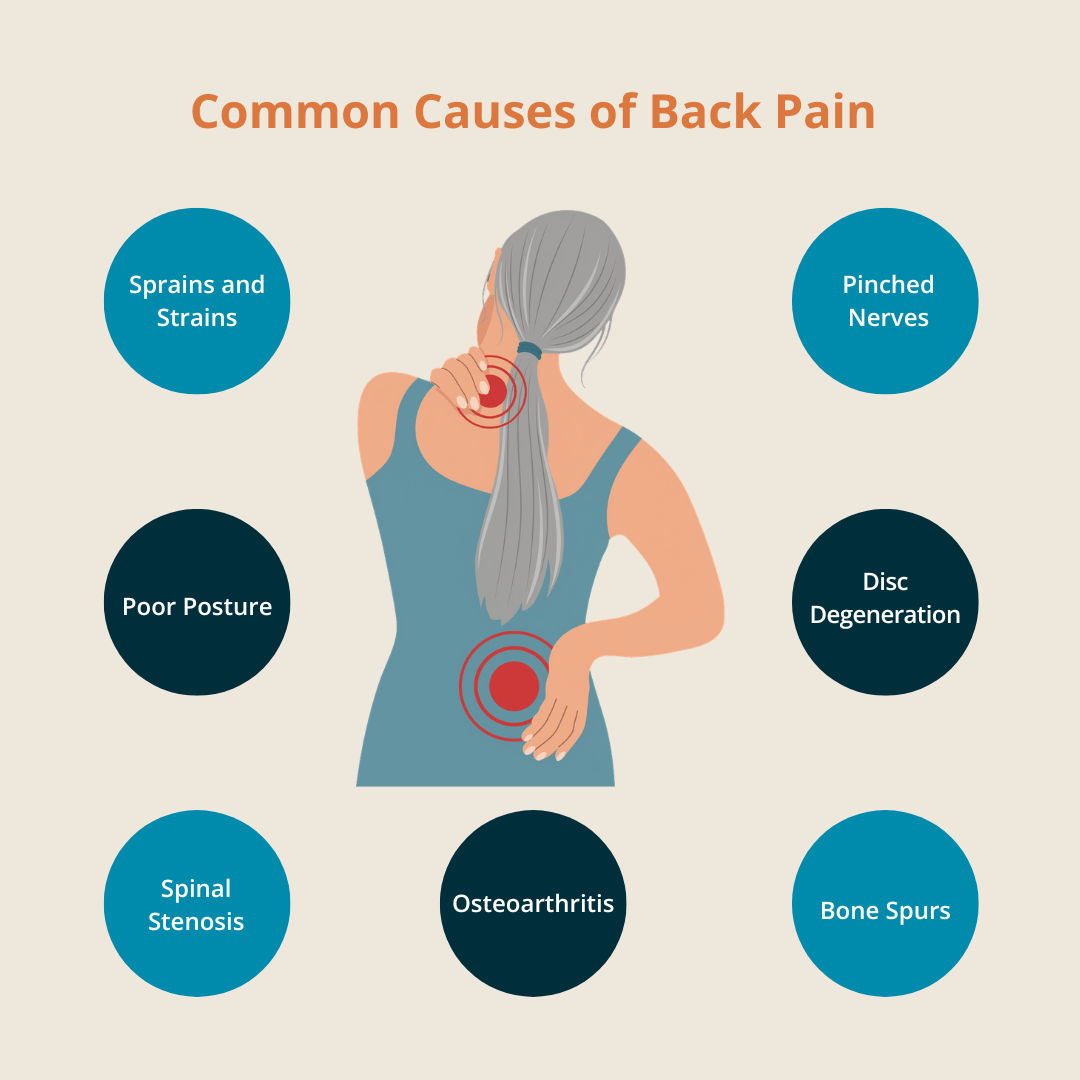
Many older adults see changes in their posture, like a hunched back, head jutting forward, or slouched shoulders. These changes can put extra strain on the neck and back muscles, which can cause constant aches and pain. Poor posture can also make it harder to keep your balance and increase the risk of falling. For family members and caregivers, noticing new or worsening posture changes can help with fall prevention and safety.
Good posture looks a little different for everyone, depending on things like height, body shape, and how you move. In general, it means standing up straight with relaxed shoulders, your chin level, and your weight spread evenly over both feet. Whether you’re sitting or standing, good posture is a balance between proper body mechanics and muscle engagement.
Why is posture important for aging adults?
Good posture helps with daily activities like walking, standing up, climbing stairs, carrying groceries, or turning to greet a loved one. For older adults, having good posture helps them stay independent and active. Caregivers can help by reminding loved ones to sit up straight, offering supportive chairs, or helping with safe movement during daily routines.
Gentle activities like yoga, tai chi, and Pilates can help with flexibility and body awareness. Doing regular stretches and strength exercises, like standing against a wall, squeezing your shoulder blades together, or marching while seated, keeps your back, chest, and core muscles strong. Taking short movement breaks throughout the day can also help reduce stiffness and improve posture.
If you’re caring for an older loved one, you might join them in these activities or help remind them to move. Group classes, online sessions, or simple at-home routines can also be fun ways to stay active together.
Assistive devices and professional help
Sometimes, keeping good posture means using extra support. Canes, walkers, or posture braces can help reduce strain and improve alignment, especially for those with mobility challenges. Physical therapists and occupational therapists can also make custom exercise programs and teach safe ways to move.
It also helps to pay attention to your surroundings. For example, using chairs with good back support and raising your computer screen to eye level can help you sit up straighter and avoid slouching.
When to seek support
Some changes in posture are normal as we age, but if you or someone you care for notices sudden, severe, or painful changes, it’s important to contact a healthcare provider. They can check for conditions such as osteoporosis or nerve problems and suggest changes, therapies, or medications to help with movement, comfort, and confidence.
Maintaining good posture and mobility is essential for preserving independence, comfort, and quality of life as we age. If you’re looking for extra support, in-home care services can provide personalized assistance and companionship to help your loved one stay safe and active at home. Explore our in-home care services and reach out to our team today to learn more about how we can help. Contact our team today to learn more about our in-home care services.
Related Resources

Choosing the Right Long-Term Care Option
Long-term home care is emerging as a preferred alternative to institutional care settings like assisted living facilities. Aging in place can provide emotional, physical, and psychological benefits when approached with careful planning and consideration. In-home care compared to assisted living facilities Long-term…

National Parkinson’s Awareness Month: What are the 5 Stages of Parkinson’s Disease?
April is Parkinson’s Awareness Month. Join us to learn more about the ailment, its symptoms, and how best to support those living with the disease. Parkinson’s is a long-term neurodegenerative disorder, meaning that the central nervous system degenerates progressively over time. Parkinson’s disease…

How to Support Aging Parents Who Want to Stay Home
Aging in place allows older adults to remain in the comfort of their home for as long as possible. But as our parents grow older, they may experience functional or cognitive changes that affect their ability to perform tasks independently. The home they once navigated with ease can present challenges…

How Technology is Supporting Seniors at Home
Many new technologies such as smart home sensors, wearable health trackers, and automated systems are changing how older adults and their families can safely and comfortably age at home. These tools help people live independently, manage their health, and improve their overall well-being. For anyone…