How Technology is Supporting Seniors at Home
Many new technologies such as smart home sensors, wearable health trackers, and automated systems are changing how older adults and their families can safely and comfortably age at home. These tools help people live independently, manage their health, and improve their overall well-being. For anyone caring for themselves or a loved one, technology provides practical ways to reduce stress and make care more personal and proactive.
Understanding the stages of aging in place
Aging in place usually happens in two stages. First, older adults try to stay independent and safe with little help. Later, if challenges such as mobility issues or memory loss arise, they may need more support. The main goal is to help people stay independent while keeping them safe and respected as they age.
Smart technology for aging in place covers many devices and systems that help older adults remain at home as long as possible. These tools offer more than just convenience. They can improve health, increase safety, and help seniors stay connected with family and friends. The right technology depends on your needs or your loved one’s needs. Most in-home care technologies fall into three main groups:
1. Nonmobile Technologies for Individual Monitoring
- Automatic medication dispensers that remind and dispense correct doses
- Emergency alert systems (like Life Alert) for immediate response to falls or medical events
- Smart pillboxes that send reminders to smartphones or caregivers
2. Home Environment Monitoring Technologies
- Smart thermostats (e.g., Nest, Ecobee) that maintain comfortable temperatures and can be controlled remotely
- Automated lighting systems that prevent falls by turning on lights when motion is detected
- Leak detectors under sinks or near appliances to prevent water damage
3. Wearable Health and Activity Trackers
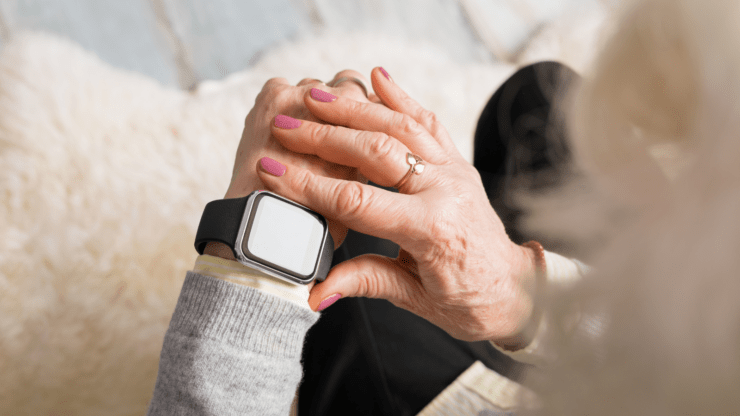
- Smartwatches (e.g., Apple Watch) that monitor heart rate, steps, and can detect falls
- Fitness bands (e.g., Fitbit) for daily activity tracking
- Medical alert pendants with built-in fall detection and GPS location
Picture a smart thermostat that keeps your home comfortable, emergency buttons that call for help immediately, or easy video calls that let you see family even if they live far away. There are options for every need, whether you want to support your own independence or help a loved one stay safe at home. You can choose what works best for your situation.
How smart technology supports aging in place
As people age, declines in vision, muscle strength, flexibility, and balance raise the risk of emergencies like falls and heart attacks. Smart technology helps older adults in these situations by monitoring conditions that need quick action. Fall detection sensors are some of the most studied smart devices, since falls are the main cause of injury for people aged 65 or older.
A key benefit of smart technology is its ability to detect and respond to emergencies. Monitoring systems can automatically alert healthcare providers or family members when they notice unusual activity or possible danger. For example, a sensor in the bathtub can set off an alarm if water levels get too high, signaling a possible accident or fall.
Studies show that using smart home sensors helps older adults feel more secure. Even people who were not familiar with technology said they were interested in using it for safety, showing that it appeals to many.
Wearable devices can track vital signs and alert users or caregivers to changes, like a sudden rise in heart rate or blood pressure. Smart sensors can watch daily routines, such as moving between rooms, sleep habits, and medication use, and let caregivers know if something seems unusual. In-home care apps can bring this information together, helping families and professional caregivers coordinate care and respond quickly. Early warnings mean faster intervention and better outcomes.
Smart technologies for aging in place can save money, not just in direct healthcare costs but also by delaying or reducing the need for long-term care facilities. Using in-home care technology and services can help you or your loved one stay comfortable and independent for longer, while also lowering the overall burden on healthcare systems.
Smart technology also helps older adults keep strong family relationships and social connections. Many seniors use smartphones or tablets to stay in touch with children and grandchildren, often because family members encourage them to use these tools for regular check-ins and communication. Staying connected through smart devices removes distance barriers, making it easier for families to support loved ones as they age.
Contact us to find out how LifeWorx can offer the right support, peace of mind, and personalized solutions for your family.
Related Resources

MedicAlert Awareness Month: How to Choose a Medical Alert System
August is MedicAlert Awareness month and it’s a good time to educate yourself and your loved one on the importance of how a medical alert system works as providing peace of mind. Medic Alert Awareness month is a good opportunity to know more about Medic Alert medical IDs, but that’s not the only…

Five Ways Technology is Enhancing the Quality of Life for The Elderly
Technological innovations have paved the way for us, especially senior adults to live longer and healthier lives. For the older generation, technology is critical in promoting independence, facilitating access to information, and enabling social connections. Older adults are now embracing new technology…
How Tech Phobia Widens the Digital Divide
While younger generations have grown up with smartphones, the internet, and digital services, many older adults are resistant to using these technological advancements. This hesitancy often stems from a fear of technology, commonly referred to as “tech phobia” which can leave seniors feeling disconnected…

MedicAlert Awareness Month: Does Your Aging Loved One Need a Medical Alert System?
August is MedicAlert Awareness month, and it is a good time to understand why MedicAlerts are important for loved ones with serious medical conditions. Medical Alert IDs and alert systems are wearable devices that help reduce treatment errors and speak for someone if they are unresponsive in an emergency…