
Home Safety & Mobility After Hospitalization: A Physical Therapist’s Guide

When a loved one returns home after a hospitalization, surgery, or significant injury, it can feel like the hardest part is over. They have received medical care, been cleared for discharge, and are finally back in a familiar environment. But being ready to leave the hospital and being ready to live independently are not always the same thing. A person may be medically stable but suddenly struggle to get out of their chair, go upstairs, prepare a meal, or walk between rooms.
Tasks that once happened automatically may now require extra effort, assistance, or more planning. As a physical therapist, I think about recovery as more than healing an injury or regaining strength. It is about helping someone return to the activities and routines that make life meaningful. One of the most overlooked parts of that process is the place where so much of life happens: the home.
The home is a vital sign
We routinely monitor vital signs such as blood pressure and heart rate to understand a person’s health and identify changes. What if we paid closer attention to another important indicator of well-being: how someone functions in their own home? The home can offer a valuable window into a person’s functional health. How easily they move between rooms, whether they can get up from their usual chair, and which activities they have started avoiding can tell us a great deal about how they are managing daily life.
When the home stays the same, but you don’t
The home itself may be the same, but a person’s strength, endurance, balance, or confidence can change after an illness or injury. Consider a familiar staircase: before a hospitalization, someone might climb it without a second thought, but afterward they may require more time, a railing, or assistance. A couch they have used for years may suddenly be difficult to stand up from. Even carrying a plate from the kitchen to the dining table can feel like a much longer journey. Sometimes a simple adjustment can make a task easier; in other cases, the person may need to rebuild strength, balance, or endurance. Often, the best approach involves both. The goal is not simply to make a home safer. It is to help the home continue to work for the person living in it.
A lesson from the clinic
I think of a patient I’ll call Betty, who came to physical therapy with knee pain. After two to three months of treatment, her pain decreased significantly, her knee mobility and strength improved, and she was thrilled to be walking without her cane. But as we discussed her upcoming discharge, she shared that she was anxious about a trip out West to visit her son and grandchildren. Her biggest concern wasn’t walking longer distances or climbing stairs; it was being able to get down on the floor and play with her grandchildren.
We spent another three weeks working through the logistics and practicing how she could safely get down to and back up from the floor. Five weeks later, I received a picture of Betty playing on the living room floor with her grandchildren. I also think of Hank, who had been staying with a friend for three months because he lacked the confidence to navigate the stairs to his third-floor walk-up apartment. By practicing stair negotiation in the clinic and helping him build confidence, we worked toward getting him back into his own home.
These situations remind me that the human experience is often found in the everyday moments we can easily take for granted: playing with grandchildren, returning to our own home, or continuing the routines that make life feel like our own. Sometimes, a meaningful change begins with a relatively simple intervention; other times, it requires a more involved plan. Either way, we need to look beyond what hurts and ask what a person wants and needs to be able to do.
That same perspective can help families recognize when a loved one is struggling at home. Paying attention to changes in everyday function and seeking professional help when needed can identify barriers to independence. This helps people continue participating in the lives they want to live. The Home & Mobility Check below offers a practical place to start.
The home & mobility check: What families can look for
You do not need to be a physical therapist to notice when a loved one’s everyday function is changing. Visiting their home, asking thoughtful questions, and paying attention to familiar routines can provide useful clues. I encourage families to focus on what their loved one says has become difficult and what they see during everyday activities. `
Six things to watch for
- Moving through the home: Can your loved one comfortably get between the bedroom, bathroom, kitchen, and living room? Are they moving around less, taking longer to reach different rooms, or relying more heavily on furniture for support?
- Getting up and sitting down: Can they get out of their usual chair and sit down with control? Are they using their arms more than before or needing help with a movement that used to be easy?
- Managing stairs and transitions: Can they navigate stairs, get in and out of bed, and enter or exit the home as they normally would? Have they started avoiding a floor or part of the house?
- Handling everyday tasks: Can they prepare a simple meal, carry a light object while walking, or complete their usual morning routine? Are these activities taking much longer or leaving them unusually tired?
- Staying connected to the community: Can they leave home for appointments, short walks, or social activities? Are they staying home because getting around feels difficult, exhausting, or intimidating?
- Continuing to do what they love: Perhaps most importantly, are they returning to the activities that make life meaningful? That might mean gardening, walking a dog, attending religious services, visiting friends, or spending time with grandchildren.
These observations are not diagnostic tests, and families should not push someone to attempt an activity that feels unsafe. The goal is to notice changes, not to test a loved one’s limits. One question I encourage families to ask is: What have you stopped doing that you would like to do again? Notice not only what your loved one can do, but also what they have stopped doing.
Recovery doesn’t end at discharge
Avoiding difficult activities can create a cycle: an activity feels challenging, so the person does it less often. With fewer opportunities to move and practice, rebuilding that ability can become harder. Reduced activity can also contribute to isolation and fewer opportunities for social connection.
What a physical therapist actually does
Families may assume these changes simply require more time or are an inevitable part of aging. Rest is important when needed, but recovery often also requires a gradual, individualized return to movement and activity. A physical therapist can assess what is limiting a person’s function, recommend appropriate changes to the home, and develop a plan to improve the strength, balance, mobility, and endurance. When appropriate, the therapist can also coordinate with physicians, occupational therapists, caregivers, and other members of the care team.
Caregivers often play a central role in carrying that plan forward between sessions. A physical therapist can show a caregiver how to safely assist with a transfer, encourage a prescribed exercise routine, or reinforce safer habits during daily tasks like getting up from a chair or managing the stairs. This kind of hands-on partnership helps ensure that progress made in therapy continues at home, long after a formal session ends. The goal is to connect rehabilitation to real life—not just whether someone can walk across a room, but whether they can prepare a meal, manage the stairs, leave the house, and participate in the activities that matter to them.
Managing mobility over time
We do not wait for every health concern to become an emergency before paying attention to it. We monitor changes, make adjustments, and revisit the plan as needs evolve. The same mindset can be applied to mobility and the home. A home assessment should not be treated as a one-time decision about whether a house is safe or unsafe. A person’s needs may change during recovery or as new health challenges arise, so the environment should be reassessed regularly.
Families can start with simple questions: What has become harder? What is being avoided? Where is extra help needed? What would allow this person to do more independently? Sometimes the answer is a practical adjustment, such as changing where frequently used items are stored.
Other times, a professional assessment may help determine whether environmental changes, rehabilitation, or additional support are needed. Thinking of the home as a vital sign means treating changes in everyday function as information worth paying attention to. Do not wait until a fall or major loss of independence forces the conversation.
If you’re noticing these changes and want a professional opinion on the home environment, contact a physical therapist. A home safety and mobility assessment can identify specific risks. Physical therapists can suggest practical adjustments and build a plan that prioritizes safety, confidence, and engagement.
Learn more about scheduling a physical therapy and home safety assessment or connect with a LifeWorx caregiver who can help carry that plan forward.
Related Resources
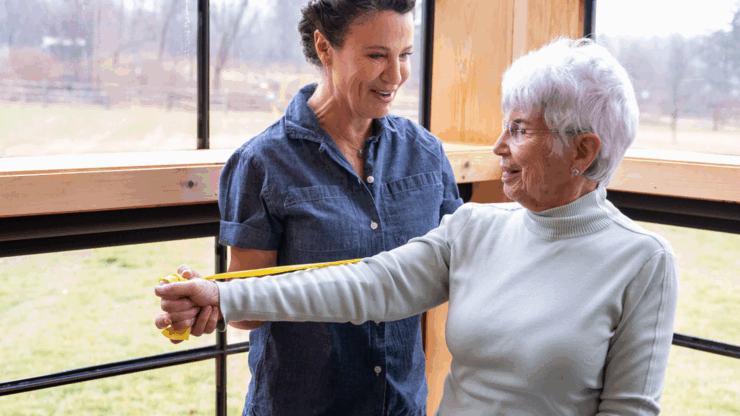
Ask The Expert: Interview with Livingstone Physical Therapy
Presented in Partnership with Livingstone Physical Therapy Physical therapy can help seniors retain their independence, whether managing a long-term illness or just wanting to improve their general health and mobility.As people age, they tend to lose flexibility, strength, and often their balance…

How to Support Aging Parents Who Want to Stay Home
Aging in place allows older adults to remain in the comfort of their home for as long as possible. But as our parents grow older, they may experience functional or cognitive changes that affect their ability to perform tasks independently. The home they once navigated with ease can present challenges…
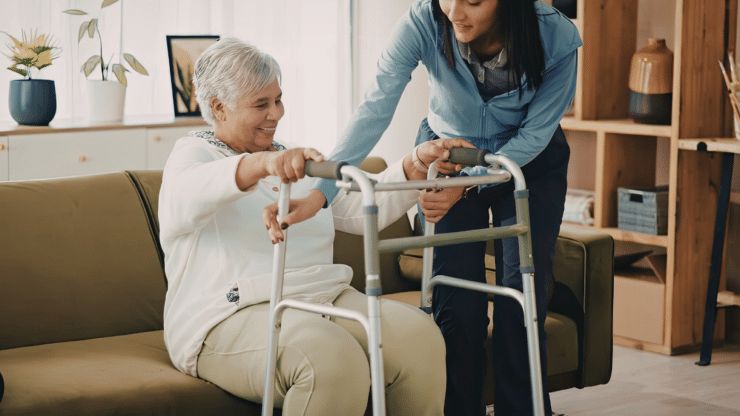
Adapting Your Home for a Spouse with Parkinson’s-Related Balance Issues
Balance problems are often an early sign that your home may need changes for a spouse with Parkinson’s disease. Areas that once felt safe, such as hallways, bathrooms, or bedrooms, can become harder to navigate as mobility changes. Fortunately, most of the home modifications that improve safety and…

Recognizing the Early Signs of Dementia
Dementia is a progressive condition that affects memory, cognition, and behavior, often beginning with minor changes that can be difficult to recognize. Identifying these early warning signs is important, as early diagnosis allows for better treatment options. The LifeWorx team has put together…