Aging in Place: Designing Safe, Stylish, and Future-Proof Living Spaces
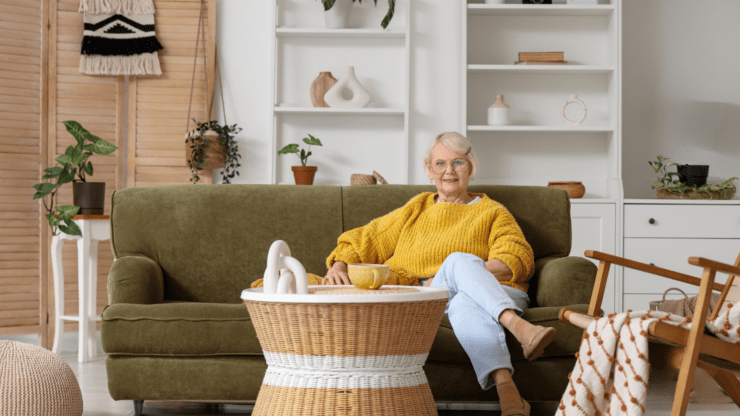
For many families, the idea of “aging in place” still brings to mind hospital rails, plastic shower seats, and medical-grade lighting bolted onto a beautiful home. This misconception can cost families the chance to make thoughtful, proactive decisions before a health scare forces a rushed one. Today, the most sophisticated aging-in-place homes are indistinguishable from any other beautifully designed residence.
If you’re planning for a parent, a spouse, or yourself, here’s what that looks like and how to think about pairing home design with in-home care support.
Modern safety and design
The aging-in-place renovation market has matured considerably. Early efforts focused on function over form, and that’s no longer the standard for architects and designers working in this space. Now, safety is built into the design from the start.
For example, curbless showers can look like modern spas. Reinforced walls are hidden behind the same tiles you’d find in a luxury bathroom. Voice-controlled systems let you manage lighting, locks, and temperature without changing how things look. This balanced approach creates homes that meet changing needs for many years, without feeling like you’ve given anything up.
Room-by-room upgrades for your home
Bathrooms. This is where the most important changes happen, and where design and safety intersect most noticeably. Zero-threshold showers, slip-resistant floors that look like natural stone, and comfort-height fixtures are now standard in renovations. These are not just accessibility upgrades, but design choices any homeowner would appreciate.
Kitchens. Pull-out shelves, under-counter appliances, and adjustable-height counters reduce physical strain during everyday tasks, paired with the same custom cabinets and finishes you’d find in a high-end kitchen.
Entryways and hallways. Wider doorways and level, threshold-free transitions between rooms meet possible wheelchair access needs, while creating an open, contemporary floor plan.
Lighting. Circadian lighting systems change color and brightness during the day to match natural light. This helps improve sleep and reduces confusion at night, which lowers the risk of falls. In this case, the wellness benefit and the design upgrade are the same thing.
Smart home solutions for seniors
Smart home technology for aging in place has come a long way from the old “medical alert” systems. Consider options like these:
- Passive monitoring uses sensors to learn a household’s normal routines and alert you to unusual inactivity, without using cameras or anything that feels intrusive.
- Fall detection built into flooring or wearable devices, designed to tell the difference between a fall and normal movement.
- Voice-activated controls for lighting, locks, thermostats, and entertainment systems, so everything can be managed hands-free.
- Medication management systems that keep track of doses and alert a caregiver or family member only if something is missed.
The key is to pick technology that fits your household, not the other way around. What feels easy for a 78-year-old and what impresses a tech-savvy grandchild aren’t usually the same. The best systems are the ones your family barely notices.
The role of private caregiving in aging in place
Home design and technology solve part of the long-term care equation. They reduce fall risk, ease physical strain, and provide peace of mind for family members who may live states away. What they don’t replace is judgment, companionship, and hands-on skilled support.
This is where having the right private caregiving team makes the difference between a house that’s just safer and a home where someone can thrive. A dedicated care team can:
- Offer daily, in-person judgment that no monitoring system can match. They notice small changes in gait, mood, or thinking before they become emergencies.
- Work with family members in different states, so no one has to handle everything alone from far away.
- Change care as needs grow or shift, without needing another renovation or a move.
The best long-term homes treat design, technology, and caregiving as parts of one complete plan. If you’re starting to think about aging in place for a parent or spouse, the best first step isn’t a full renovation. Instead, take time to walk through the home, notice where daily challenges already exist, and talk to a member of our care team to help you decide what matters most.
Related Resources

How Technology is Supporting Seniors at Home
Many new technologies such as smart home sensors, wearable health trackers, and automated systems are changing how older adults and their families can safely and comfortably age at home. These tools help people live independently, manage their health, and improve their overall well-being. For anyone…

MedicAlert Awareness Month: How to Choose a Medical Alert System
August is MedicAlert Awareness month and it’s a good time to educate yourself and your loved one on the importance of how a medical alert system works as providing peace of mind. Medic Alert Awareness month is a good opportunity to know more about Medic Alert medical IDs, but that’s not the only…

MedicAlert Awareness Month: Does Your Aging Loved One Need a Medical Alert System?
August is MedicAlert Awareness month, and it is a good time to understand why MedicAlerts are important for loved ones with serious medical conditions. Medical Alert IDs and alert systems are wearable devices that help reduce treatment errors and speak for someone if they are unresponsive in an emergency…

Choosing the Right Long-Term Care Option
Long-term home care is emerging as a preferred alternative to institutional care settings like assisted living facilities. Aging in place can provide emotional, physical, and psychological benefits when approached with careful planning and consideration. In-home care compared to assisted living facilities Long-term…