
Keeping Your Mind Active at Any Age
As the back-to-school season arrives, it’s a great time to remember that learning isn’t just for kids. No matter your age, your brain enjoys a challenge. Lifelong learning keeps our minds sharp, our curiosity alive, and our days fulfilling. There are plenty of ways to grow, explore, and keep your mind active as a senior. You could try a new hobby, start a creative project, or learn about technology like video calls, online safety, or using apps to stay connected with family.
Ways to stay mentally active and keep learning
Here are a few fun, low-pressure ideas to spark your curiosity as you try something new:
- Try a new craft or art project such as painting, knitting, scrapbooking, or even adult coloring books. These activities aren’t just for kids! They are relaxing, spark creativity, and are the perfect excuse to gather friends or family for an afternoon.
- Join a local or online class. Public libraries often offer free workshops and lectures, and online platforms have classes on topics like history, language, cooking, and dance. Who says you can’t learn salsa or master French after 65? Classes are a great way to meet new people who share your love of learning.
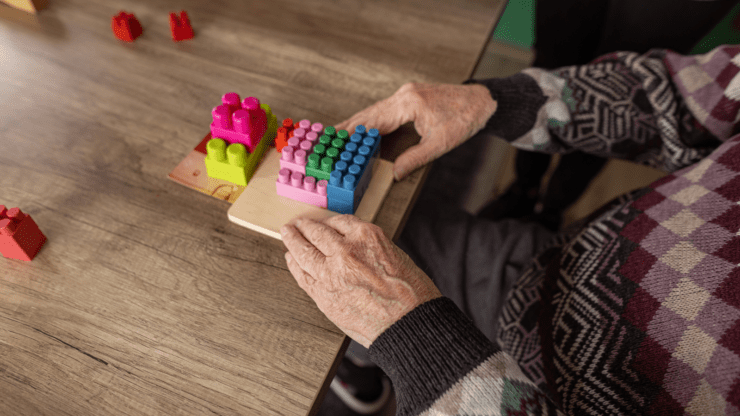
- Try brain games and puzzles. Many websites and libraries have free activities like crosswords, Sudoku, word searches, and memory games that challenge your mind. These games can help keep your memory and problem-solving skills strong.
- Learn a new language or try a musical instrument. Both activities are good for your brain, help your memory, and build confidence. If you want to play the ukulele or greet someone in Japanese, there are many beginner resources online to help you get started.
- Explore technology by learning how to use video calls, email, social media, or new apps. These tools help you stay in touch with loved ones and find information easily. Many organizations now offer helpful tech support for seniors, so it’s easier than ever to begin.
- Volunteer in your community. Your wisdom and experience are valuable! Whether you mentor, tutor, organize local events, or support charities, you’ll find that giving back benefits everyone. Volunteering keeps you active, involved, and brings purpose and joy to each day.
The key is to choose activities that interest you, as you’ll be more likely to continue with them. Start with small steps, like reading a new book each month or joining one class. Learning is often more fun with family, friends, or caregivers. If you stay open-minded and try new things, you might even discover a new talent or passion!
The benefits of lifelong learning for seniors
- Cognitive health: Every time you try something new, you help keep your mind sharp, boost memory and problem-solving skills, and may even delay symptoms of dementia.
- Emotional well-being: Learning new things brings a sense of accomplishment and purpose, which can improve mood and confidence.
- Social connection: Classes, clubs, and group projects are fantastic ways to meet new friends, share laughs, and build a community that supports and inspires you.
- Personal fulfillment: Exploring new topics or skills can reignite old passions and add excitement to every day.
Keeping your mind active can boost your cognitive health, help you meet new people, and add purpose to your days. Whether you pick up a hobby, volunteer, or read a good book, staying curious and open to new experiences is most important. Our caregivers take the time to learn what brings joy and purpose to each client. They can work with them to encourage new hobbies, learning, and social connections.
Caregivers can offer support, go with clients to classes or events, and help add new experiences to their daily routines, all while providing genuine companionship. If you or someone you care about could use more connection and support at home, contact your local team today.
Related Resources
Brain Exercises to Improve Memory
As adults grow older, it’s normal to notice changes in memory and how quickly they process information. However, cognitive decline isn’t inevitable. The brain, like the rest of the body, needs regular care and stimulation to stay healthy. For families caring for older loved ones, focusing on brain…

Ask The Expert: Interview with Inspired Memory Care
Presented in Partnership with Inspired Memory Care Inspired Memory Care, Inc. (IMC) is a NYC-based memory care training and consulting firm founded on the belief that individuals living with cognitive change and their care partners are valued and valuable members of society. As such, they deserve…

How Tech Phobia Widens the Digital Divide
While younger generations have grown up with smartphones, the internet, and digital services, many older adults are resistant to using these technological advancements. This hesitancy often stems from a fear of technology, commonly referred to as “tech phobia” which can leave seniors feeling disconnected…

7 Activities and Exercises to Improve Memory and Cognition
As our loved one’s age, physical health is still important it becomes increasingly important to keep their minds sharp and active. Although the brain gets plenty of exercise every day, certain activities may help boost brain function and connectivity. This can be done through cognitive activities that…