Brain Exercises to Improve Memory
As adults grow older, it’s normal to notice changes in memory and how quickly they process information. However, cognitive decline isn’t inevitable. The brain, like the rest of the body, needs regular care and stimulation to stay healthy. For families caring for older loved ones, focusing on brain health can help them stay independent, confident, and enjoy a better quality of life. Studies show there are simple and effective ways to strengthen memory and focus at home.
Brain exercises that aging adults can do at home
Supporting brain health doesn’t require extensive and expensive programs or complicated tools. Many memory-boosting activities are simple, enjoyable, and easy to add to daily routines.
Puzzles and cards games for cognitive engagement
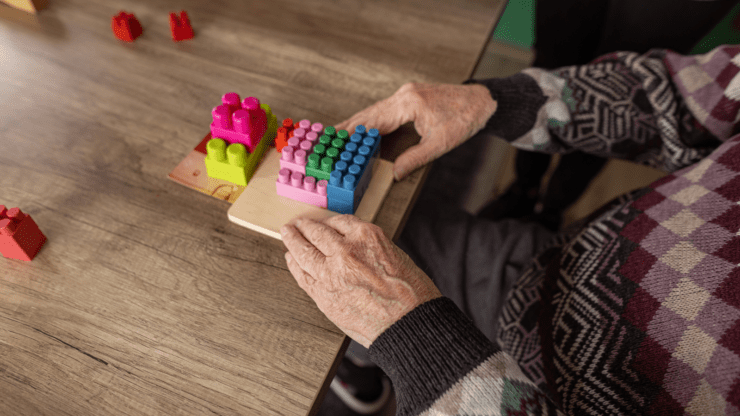
Puzzles encourage the brain to spot patterns, recognize shapes, and think carefully. Activities like crosswords, jigsaw puzzles, and Sudoku use several mental skills at once. Over time, older adults may find that their problem-solving, visual reasoning, and attention to detail improve.
Classic card games do more than entertain—they also keep the brain active. Games like solitaire, bridge, gin rummy, poker, hearts, and crazy eights can help improve verbal skills, memory, strategic thinking, and self-control.
Dancing for the brain and body connection
Dancing brings together movement, rhythm, coordination, and memory. It can boost how quickly the brain processes information, help with memory, and improve balance and coordination. Even simple guided dance routines can be helpful for older adults.
Learning new skills
A powerful way to keep the brain sharp is to learn something new. It can be a new language, instrument, or hobby. This challenges the brain to form new neural connections. Language learning, in particular, requires significant brain activity and has been linked to improved cognitive flexibility and memory.

Cognitive training – a powerful tool for memory improvement
Cognitive training means using structured mental exercises to keep the brain active. Unlike passive activities, it takes effort, repetition, and problem-solving. One of the most effective techniques is retrieval practice. This means recalling information from memory instead of just reviewing it. Doing this strengthens brain connections, similar to how lifting weights builds muscles. Some examples are:
- Self-quizzing on names, dates, or recent conversations
- Recalling grocery lists without looking
- Practicing storytelling from memory
Eventually, these exercises can help with remembering appointments, keeping up in conversations, and staying organized.
How in-home care can support brain health
Professional in-home care can make a difference for families that are balancing caregiving responsibilities, as incorporating cognitive activities into daily life can feel overwhelming. Caregivers can set up routines that keep the mind active, encourage fun activities, and offer companionship and social time. This steady support ensures that brain health remains a priority.
Improving memory and mental sharpness doesn’t happen overnight. Like physical fitness, brain health requires consistency and intentional effort. With regular practice, many seniors experience better recall of names and events, improved focus during conversations, and increased confidence in daily tasks. The key is to make these activities part of a daily or weekly routine.
The most important step to improve cognitive function is simply getting started. With the right activities and support, older adults can keep their minds sharp and even improve their mental skills. If you’re ready to begin in-home care services, get in touch with our care team today.
Related Resources
7 Activities and Exercises to Improve Memory and Cognition
As our loved one’s age, physical health is still important it becomes increasingly important to keep their minds sharp and active. Although the brain gets plenty of exercise every day, certain activities may help boost brain function and connectivity. This can be done through cognitive activities that…
7 Facts About Mental Health and Aging
Aging is often a time of transition. Mental health and physical health have a strong correlation. As we all get older, the decline in our physical health may affect our mental health, where we may face challenges. Physical health concerns, major life transitions, and other common experiences during aging…

Ask The Expert: Interview with the Alzheimer’s Drug Discovery Foundation (ADDF)
Presented in Partnership with the Alzheimer’s Drug Discovery Foundation June is Alzheimer’s and Brain Awareness Month, a time for us to heighten awareness for various types of dementia and show support towards the individuals who are living with it. Alzheimer’s is currently ranked as the seventh…
Understanding In-Home Care
As our loved ones age, making sure they receive the best care possible becomes a top priority. For many families, in-home care offers the best solution by providing personalized and professional assistance in the comfort of one’s home. At LifeWorx, our services include 24-hour care, companion care…