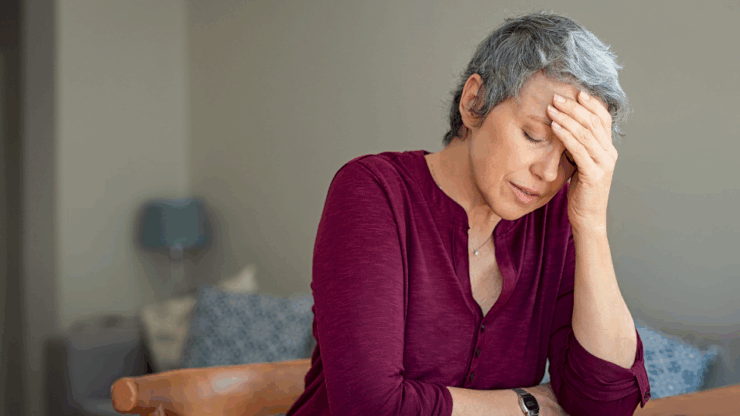
Reducing Anxiety in Seniors
Key Takeaways
- Staying active regularly can help seniors feel less stressed, boost their mood, and improve their sleep.
- Simple relaxation techniques like deep breathing or meditation can be helpful ways to manage daily anxiety.
- Keeping in touch with family, friends, or joining community activities can help seniors feel less lonely and support their emotional health.
- Healthy routines, emotional support, and caring help from others can make it easier for seniors to manage anxiety and enjoy a better quality of life.
Anxiety is a common disorder among older adults, affecting as many as 10-20 percent of the older population. However, anxiety disorders often go undiagnosed as older adults may not recognize or acknowledge their symptoms. When they do, they may be hesitant to discuss their feelings with their physicians.
Reducing anxiety in seniors requires a thorough approach that acknowledges the physical and emotional aspects of well-being. From health concerns to changes in routine, seniors can find themselves dealing with increased levels of anxiety and stress. If left unmanaged, these emotions can hurt your loved one’s health and wellness.
Physical activity
Regular physical activity is a powerful tool in the fight against stress. Exercise can boost moods by releasing endorphins that help alleviate muscle tension and improve sleep quality. Whether it’s taking a leisurely walk, attending a chair yoga class, or trying out water aerobics, staying active can have tremendous benefits for seniors and their mental health. The key is to find an exercise routine that resonates with them and fits seamlessly into their lifestyle.
Relaxation techniques
Incorporating relaxation techniques into daily life can benefit seniors who are looking to manage their anxiety. Practices such as deep breathing, meditation, or muscle relaxation can promote a sense of calm and tranquility. Many of these exercises can be practiced at any time and any place, providing immediate relief. Taking some time each day to practice these techniques can make a big difference in managing anxiety and stress.
Social support
Social connections are so important in the fight against loneliness and isolation, which can worsen anxiety. When seniors engage in social activities, they can find support and companionship. Whether it’s by joining a club, attending community events, or spending time with loved ones, seniors can feel more connected, supported, and resilient when facing life’s challenges.
For older adults, depression often accompanies anxiety, and both can be debilitating. By incorporating physical activity, relaxation techniques, and nurturing social connections, seniors can manage their anxiety and enjoy a higher quality of life.
At LifeWorx, our caregivers are committed to supporting seniors on their journey to health and happiness. They’re equipped to provide care and resources that can help them thrive in every aspect of their life. Get in touch with a local Client Relations Manager today to learn how we can help.
Related Resources

7 Reasons to Care For Your Physical Health
Many factors can influence healthy aging. Some of these, such as genetics are out of our control. Other factors include exercise, a healthy diet, going to the doctor regularly, and taking care of our mental health which we can control. Aging can cause older adults to lose the energy, muscle strength…
7 Facts About Mental Health and Aging
Aging is often a time of transition. Mental health and physical health have a strong correlation. As we all get older, the decline in our physical health may affect our mental health, where we may face challenges. Physical health concerns, major life transitions, and other common experiences during aging…
Stress Awareness Month: Identifying and Coping with Anxiety Triggers in Seniors
April is recognized as Stress Awareness Month to bring attention to the effects of stress on individuals and how can we cope with stressors and anxiety. Stress is a normal part of everyday life, but it can be debilitating, especially for older adults.For seniors, age-related challenges like medical conditions…

Self-Improvement Month: Five Ways to Improve Aging Loved One’s Quality of Life
September is Self-Improvement Month, and it is a time to remind ourselves and our loved ones that we all need to improve and care for ourselves. A positive view of life can help alleviate some of the medical issues that an older adult may face such as cognitive decline, stress, loss of appetite, and…